Getting settled into your college apartment is just the beginning. The students who thrive in off-campus housing are the ones who actively manage their living environment — taking care of their space, understanding their rights, staying safe, and building community around them.
Being a Smart Health Consumer on Your Own
Living on your own usually means making your own health and wellness decisions for the first time. That independence is a good thing, but it also makes students a prime target for aggressive wellness marketing. Between campus gyms, social media, and group chats, you'll see no shortage of pitches for supplements, "biohacking" stacks, nootropics, and research peptides — many sold straight to consumers with big promises and no medical oversight.
A useful rule of thumb: anything that would normally require a prescription should come through a licensed provider, not an anonymous online storefront. The U.S. Anti-Doping Agency's Supplement Connect resource documents just how many consumer supplements turn out to be mislabeled, contaminated, or spiked with undisclosed drugs, and the Federal Trade Commission's consumer guidance on health and fitness scams is worth a read before you spend money on anything marketed as a shortcut. If you're ever curious about a specific compound, learning how peptide prescriptions actually work — through a doctor-guided telehealth clinic like Promise (mypromise.com), which prescribes only after a licensed clinician reviews your intake — is a far safer starting point than the grey market. The point isn't to talk you out of taking your health seriously; it's to make sure whoever is advising you is actually qualified to.
Managing Utilities and Household Costs
- Set up automatic bank transfers for rent — Late fees add up fast. Set a calendar reminder a few days before rent is due, or use your bank's auto-pay feature.
- Split utility bills fairly — Use apps like Splitwise to track shared expenses and who owes what among roommates.
- Reduce electricity costs — Unplug chargers and electronics when not in use. Use LED bulbs. Set the thermostat a degree or two less aggressively — it adds up over a semester.
- Bundle internet — A standalone internet package is usually cheaper than bundled TV. Student discounts are often available.
Home Maintenance: Know Your Responsibilities
Your lease defines what maintenance is your responsibility versus your landlord's. Common student responsibilities include:
- Keeping the unit clean and not creating conditions for mold or pest infestations
- Replacing light bulbs; notifying the landlord promptly about maintenance issues in writing
- Not making unapproved modifications (painting, installing shelving without permission)
Landlord responsibilities typically include: structural repairs, plumbing issues, appliance maintenance, heating/cooling systems, and pest control. If your landlord is slow to respond to legitimate maintenance requests, document everything in writing. Check your state's specific rules via the HUD tenant rights resources.
Home Safety Tips for Students
- Test smoke and carbon monoxide detectors — Do this on move-in day and monthly thereafter. Replace batteries at the start of each semester.
- Know your building's emergency exits — Walk the stairwells on your first day.
- Lock up consistently — Keep your door locked even when home. Use the deadbolt at night.
- Get renter's insurance — It's shockingly affordable ($10-20/month) and covers theft, fire damage, and personal liability. Don't skip it.
- Be mindful of digital safety — Avoid using unsecured public Wi-Fi for banking. Use a VPN on shared networks.
The U.S. Fire Administration identifies cooking, candles, smoking, and overloaded power strips as causes of fires in college housing. It reports that approximately 25% of all campus fire fatalities follow a party. Make fire prevention part of your household routine: agree who watches cooking, keep the cooking area clear, and check under cushions for cigarette butts after gatherings. Discuss these tasks with roommates before hosting so everyone understands the plan. The U.S. Fire Administration's guidance for students is summarized in our fire safety guide.
Building Community in Your Living Environment
- Introduce yourself to neighbors — building friendships within your building creates a natural support network
- Host occasional low-key social events in your space — even a movie night builds camaraderie
- Be considerate of neighbors with noise — especially during finals periods
Making Your Space Your Own
- Use removable wall hooks and strips (like Command brand) for hanging art without permanent damage
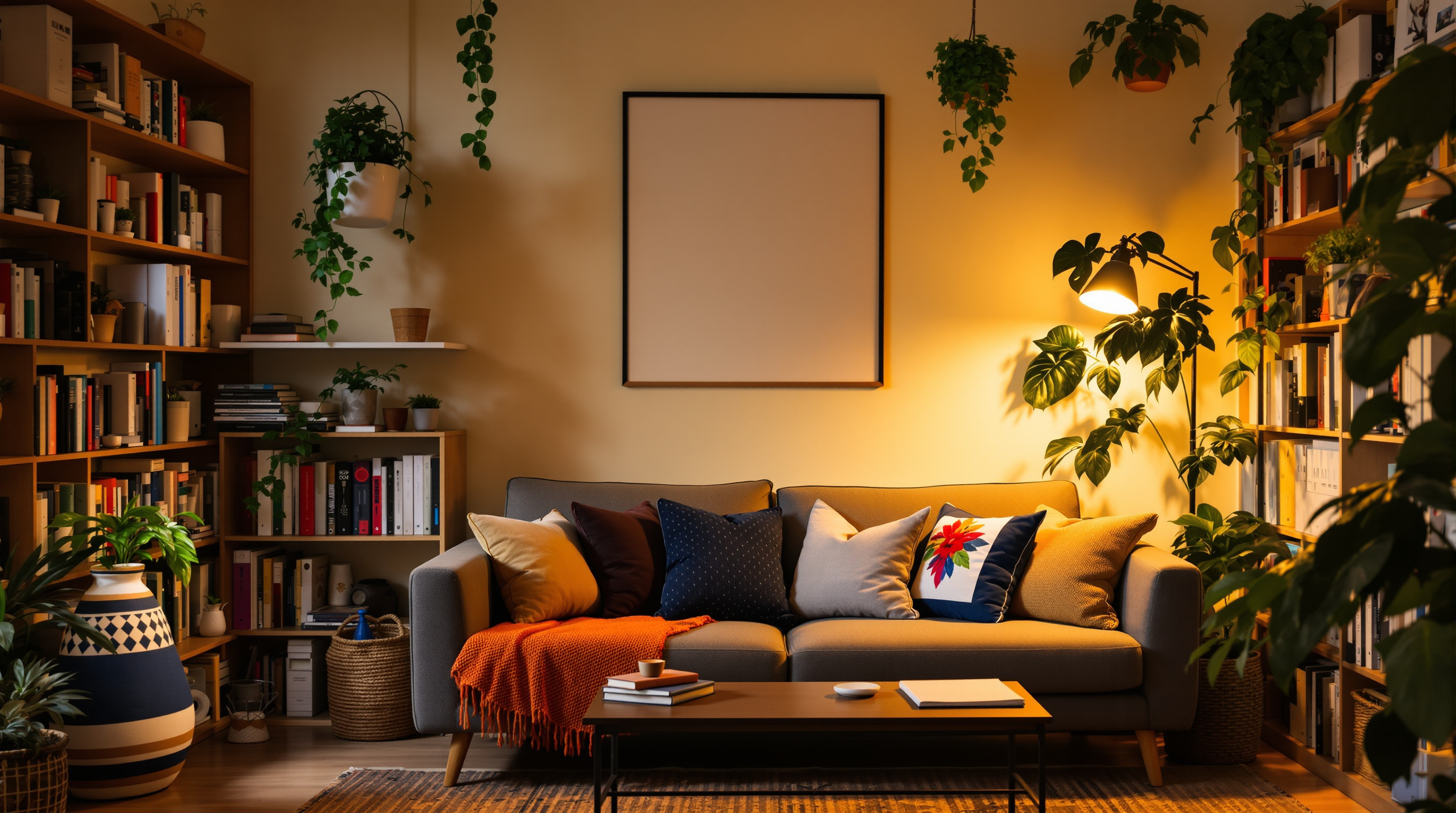
- Invest in a few quality lighting items — floor lamps and string lights transform a space without requiring permanent installation
- Add plants — they improve air quality, reduce stress, and make a space feel like home
- Keep common areas organized — clutter creates unconscious stress
For more guidance on apartment life, see our roommate guide and housing budget guide.